DIGITAL LIGHTING

WHAT IS DIGITAL LIGHTING?

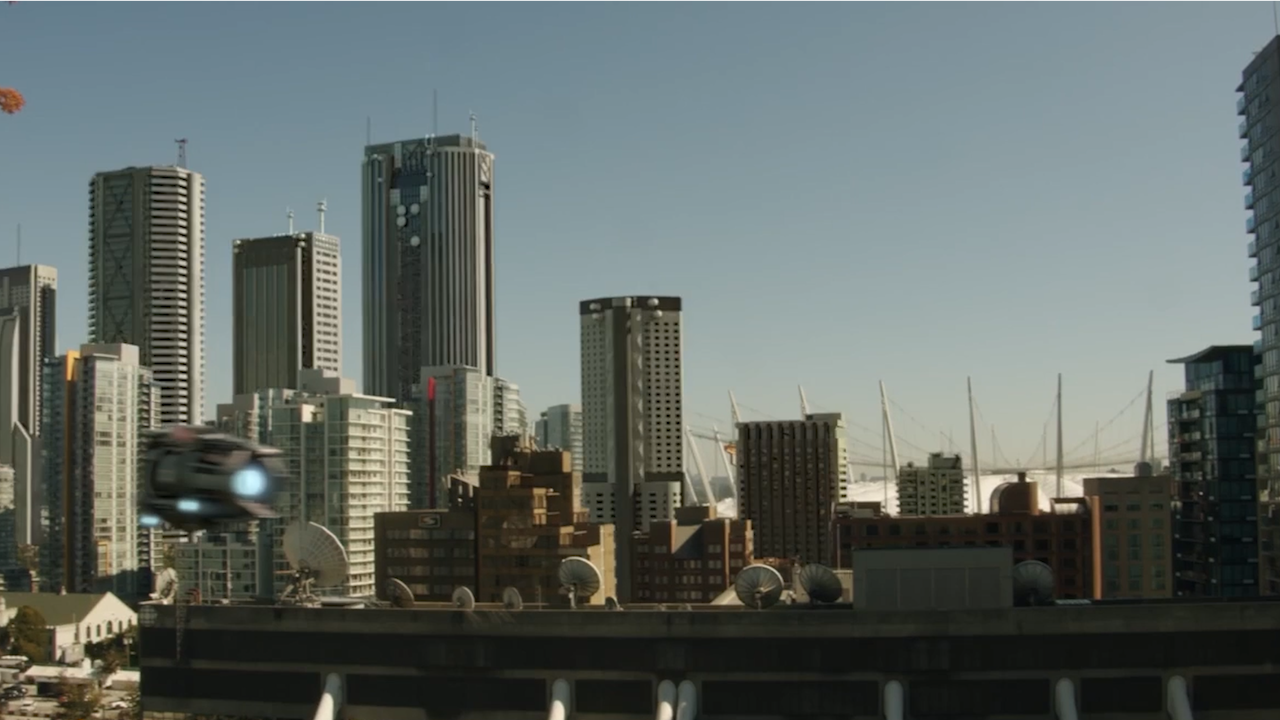
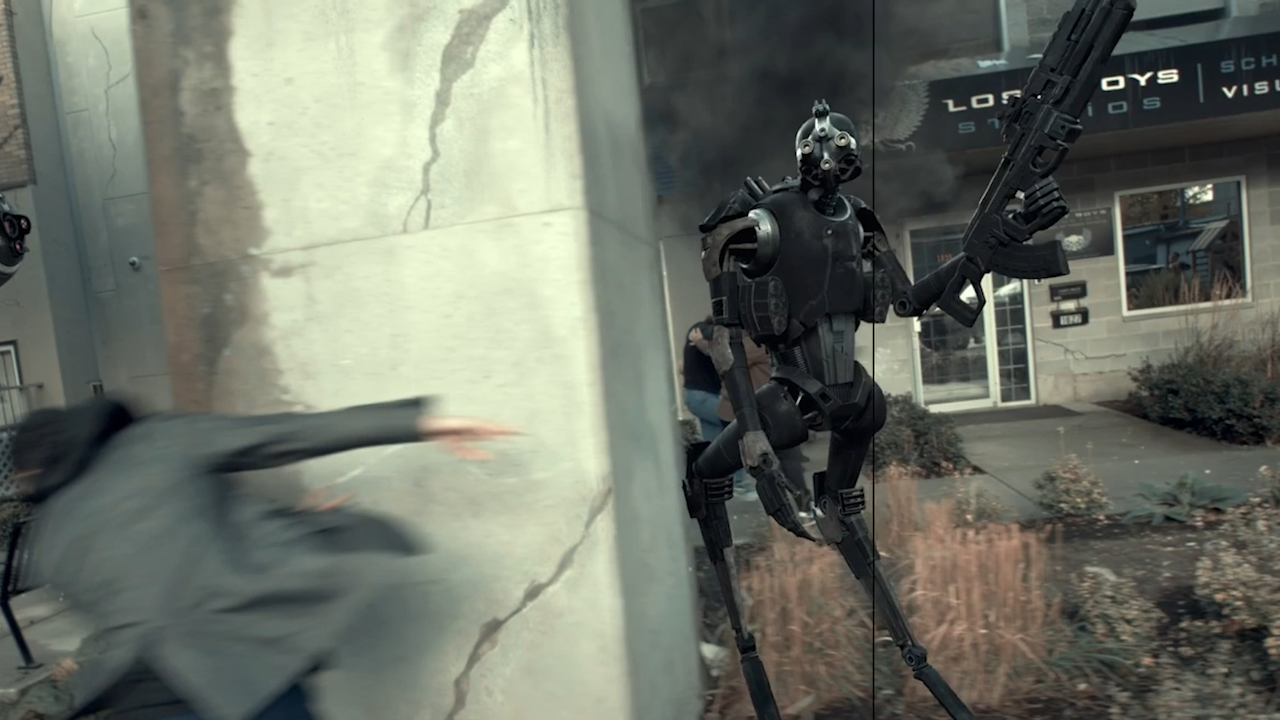
The lighting artist is responsible for illuminating all CG assets, characters, and/or environments for live action visual effects and or animated projects. Tasks can range between the more technical matching of light from filmed backgrounds through to the more creative mood enhancing styles of animated content. They use light to enhance the depth, tone, atmosphere and mood of a given scene. A lighting artist works to the vision of the director and create different styles of lighting to convey extraordinary effects.

OUR NEW LIGHTING PROGRAM FORMAT

Light animated and photo-real scenes with precision.

Campus VFX’s 4-month Lighting Technical Director Certificate program can now be learned part-time online, or full-time in a hybrid format to include both Katana and Houdini. Taught by industry professionals, the program builds a professional portfolio showcasing both stylized and photorealistic lighting, preparing students for careers at top-tier studios in animation and VFX.

LIGHTING PROGRAM OPTIONS

on campus

KATANA + HOUDINI | full-time

ON-CAMPUS AT VANCOUVER

Take the same distance classes, plus lighting with Houdini guided by our on-campus instructor.

Live Online

KATANA | Part-time

remote THROUGH MONTREAL

Learn lighting through synchronous, live lessons with our industry instructor, including constant support and reviews.

WHAT YOU WILL LEARN

These are the core concepts covered in the live online classes of both our part-time online and full-time hybrid Digital Lighting programs, using the industry standard software Katana from Foundry. Our curriculum evolves and adapts to fit Industry needs.

WHAT THE ON-CAMPUS
FORMAT ADDS

In the full-time hybrid format, you’ll have the same live online Katana lectures as the online program, plus full-time access to our Vancouver school from 9:30 to 5:30. You’ll receive assistance from our on-campus instructor and attend live, in-person lighting classes using Houdini, reinforcing the concepts covered in the online curriculum with SideFX’s software.

WHAT YOU WILL LEARN

KATANA

Here we will learn how to use Katana with efficiency and all the workflow and tools needed to build a good lighting shot.

LIGHTING & COLOR THEORY

To fully grasp the influence of colour, tone, and composition of lighting, we will cover the theoretical aspects of lighting and colour.

RENDERING

A big part of lighting is to render the image photo-realistically. To do this properly, a lighter must understand setting, denoise, and the concept of rendering as a whole. We will learn here how to tweak the render setting to make the technical side of the image great.

LIGHTING PROCESS

Animation movies and live action movies have two different lighting pipelines. Due to this difference, you will learn and practice both to be adaptable for any feature film situation.

ARNOLD ESSENTIALS

You will learn all the main settings to produce phenomenal lighting that captures the creative and technical aspects of light in CG space using Arnold Render.

COMPOSITING FOR LIGHTERS

light and compositing come hand in hand in the visual effects production pipeline. This is because both are at the end of the production line. In animated movies, lighters need to do their own compositing. You will learn everything a lighter needs to know to do the compositing of a shot.

MEET YOUR INSTRUCTORS

You’ll learn from experienced industry professionals who provide personalized guidance and are available to support you every day, not just during lectures.

They alternate between teaching and working, staying connected to the industry’s latest innovations to keep this lighting course as close to the industry-standard as possible.

François Gendron

Starting out with modeling and texturing for video games, Francois got the opportunity to explore more cinematic pursuits and jumped at the chance, finding a passion for lighting. Since then, Francois has worked at studios such as L'Atelier Animation, Sony Pictures Imageworks, Digital Domain and more.

CREDITS: Avatar, The Hobbit, Rise of the Planet of the Apes | View More

Alejandro Acanda

Starting his career with a foundation in still photography, Alejandro discovered the power of cinematic storytelling and leaned into it, mastering light and composition. Since then, he has built a reputation as a CG cinematographer, lighting artist, and visual storyteller, working as a VFX Supervisor and 3D Generalist, creating both still and motion work.

WHAT TO EXPECT

THEORY

Lighting Fundamentals & Artistic Reasoning
Understand and participate in some pre-production and execution of live action plates for effect shots. We believe being part of the production prepares you for the visual effects production pipeline.

Lighting Projects

HANDS-ON SHOT PRODUCTION
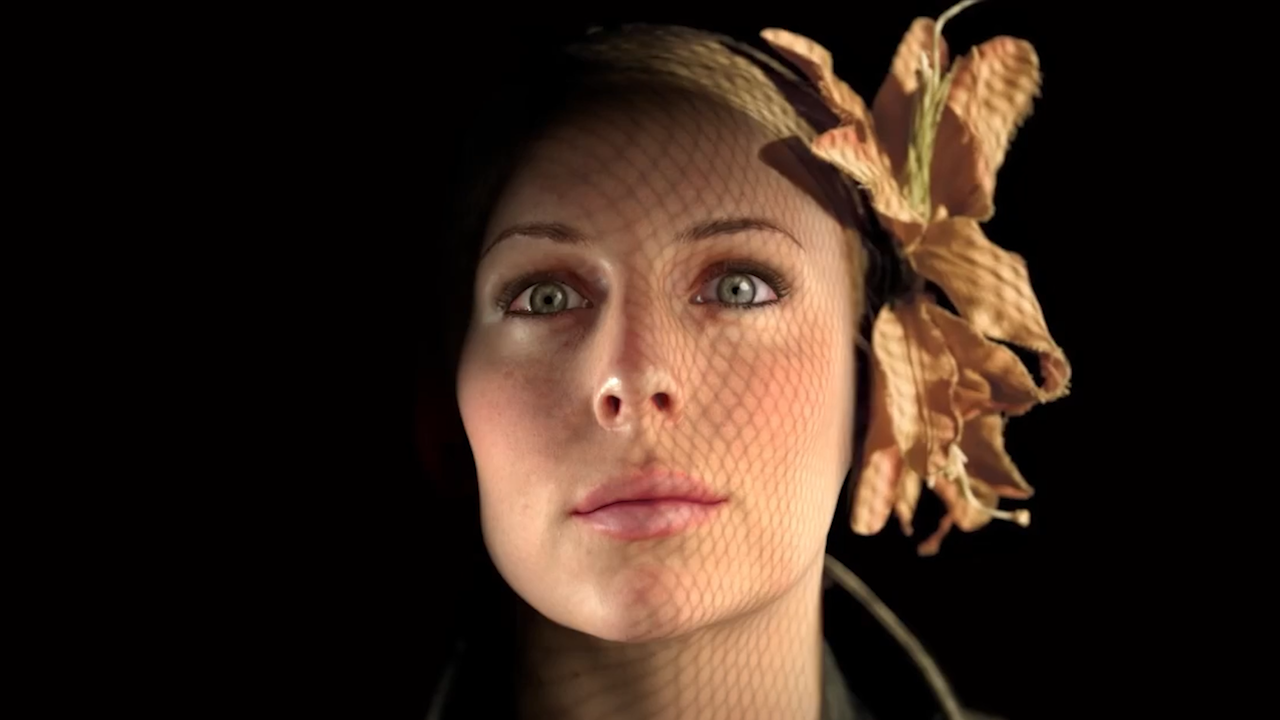
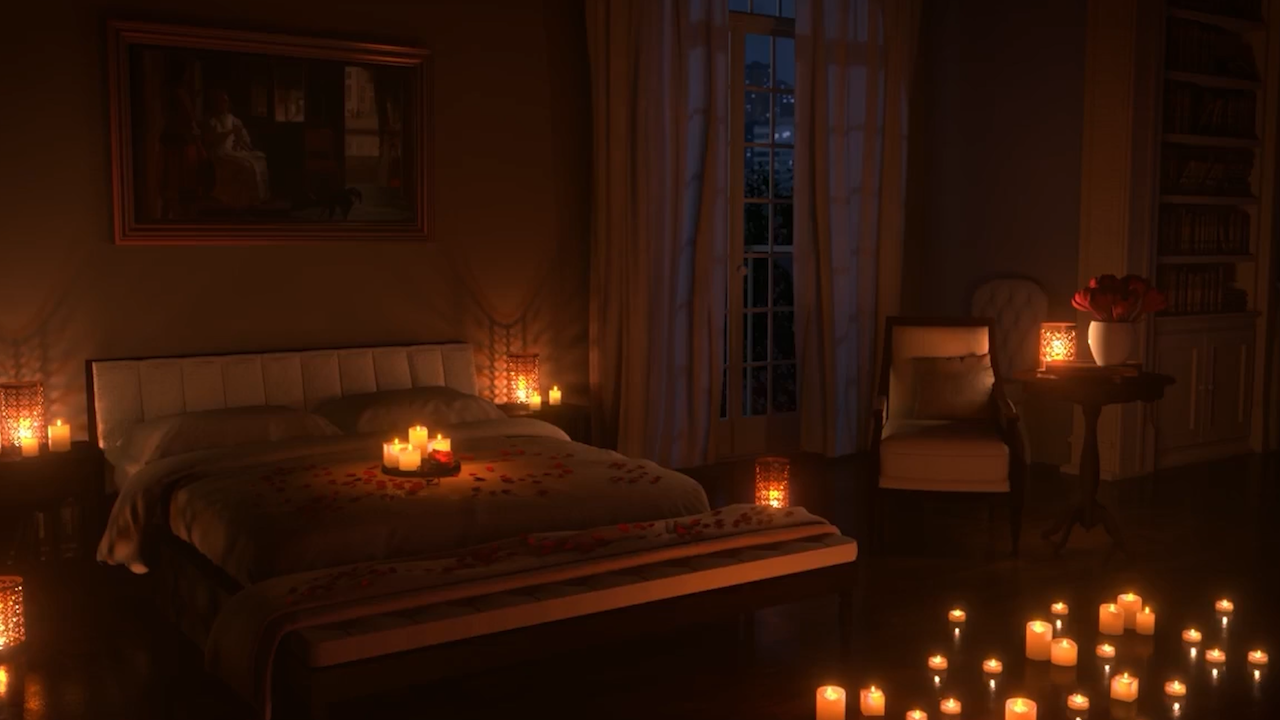
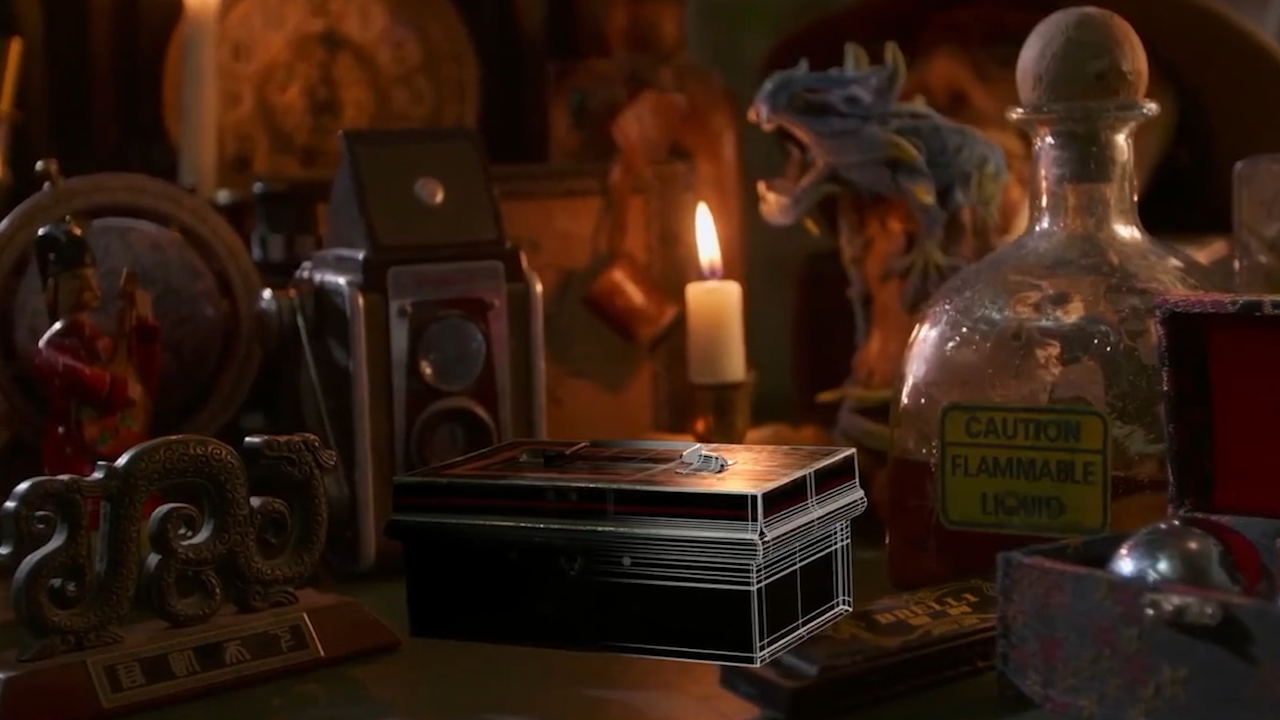
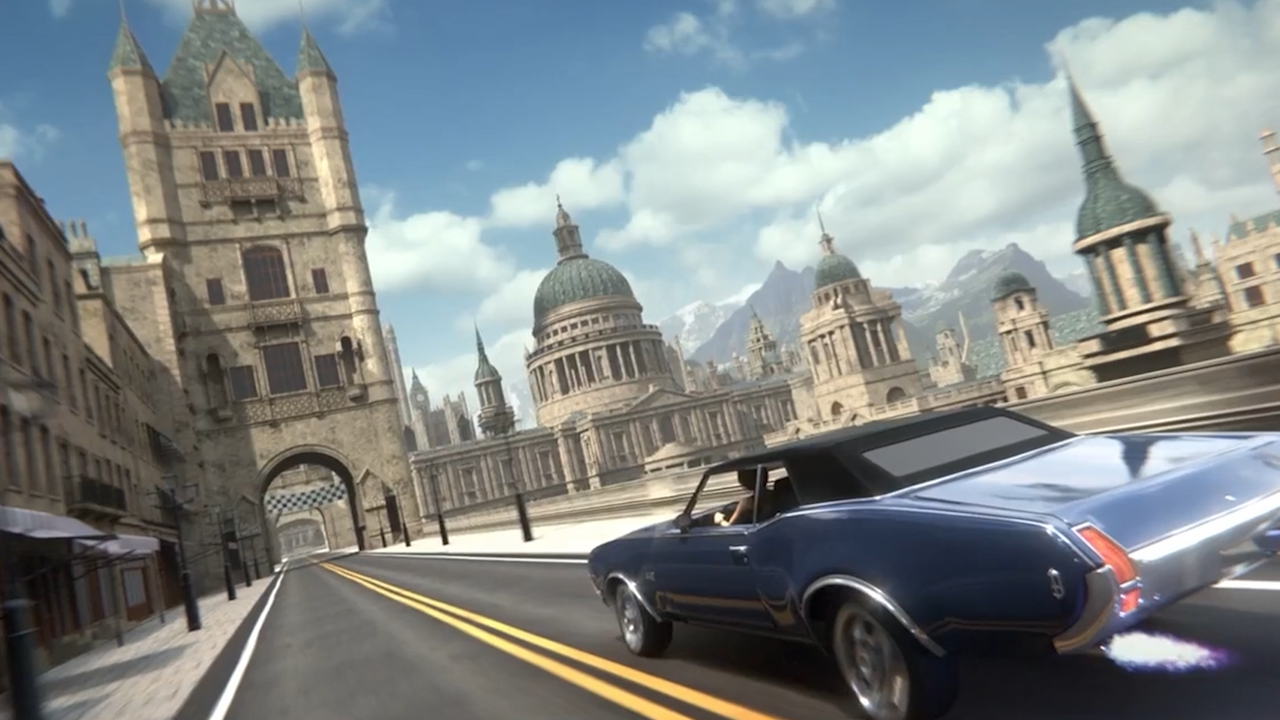
You will work on four different projects covering all aspects of lighting. From portrait lighting, matching a colour script, indoor lighting, and outdoor lighting, you will learn the essentials of lighting in CG space and live action space.

Practice Exercises

TECHNICAL SKILL BUILDING
Over the duration of the course, you'll work on a few exercises covering hard topics to allow students to have a deep understanding of light. More importantly, training you in a studio environment of what actual tasks will be like in visual effect studios.

Weekly Review

STUDIO SIMULATION
Weekly web cam review of student’s work and email reviews. This is to be done with pixel accuracy as to prepare students for Studio Dailies.

Industry Studies

LIGHTING IN CONTEXT
Learn about the Past, the Present, and the Future of the Visual Effects Industry. Over the course of this program, I will share my 20 years of experience in lighting in 5 different countries.

FROM STUDENT TO STUDIO

GET STUDIO-READY
If you want a career in visual effects, not only do you need to know how to do shots, you also need to know how to get jobs. Learn how to create a demo reel, breakdowns, present yourself on social media, apply for jobs, and learn how to interact with recruiters.

Tuition

4 Months - Full-time

ON CAMPUS - Vancouver
$16,900.00 CAD for residents
$17,900.00 CAD for internationals

4 Months - Part-time

ON LINE - Montreal
8,499.00 CAD

SELECT STUDENT REELS

Our graduates go on to create the effects behind blockbuster films, streaming hits, and cinematic worlds of every kind. Trained to thrive in studio environments, they continue to shape the industry with their skills, creativity, and collaboration.

Meet our alumni and see where their journey has taken them.

1 Year

ON CAMPUS - Vancouver
$41,900.00 CAD for residents
$47,900.00 CAD for internationals

5.5 Month Beginner / Intermediate

ON CAMPUS - Montreal
$22,900 CAD

5.5 Month Advanced

ON CAMPUS - Montreal
$22,900 CAD

1 Year

ONLINE - Vancouver
$37,900 CAD

5.5 Month Beginner / Intermediate

ONLINE - Montreal
$18,499 CAD

5.5 Month Advanced

ONLINE - Montreal
$19,499 CAD

admissionS info

NEXT ACADEMIC START DATE IS JANUARY 5, 2026

  • 00Days
  • 00Hours
  • 00Minutes
  • 00Seconds

The following criteria provides a general idea of what we look for in the personal letter and portfolio that you must submit in the application process. It is important to note that the quality of these items are considered together with the general requirements needed to apply to Campus VFX.

In your personal letter, we want to know about you as a person and your feelings towards visual effects, movies, film-making, art, design, or technology.  Be sure to share with us why you have chosen this program and what research you have done.

Also, illustrate to us your ability to work independently and collaboratively within a team environment. Remember, this is your time to really tell us all about you so feel free to go all out!

Your portfolio should include 6–8 pieces of your best work in any medium that demonstrate your artistic skills. This can include photography, drawing, comic or graphic design, painting, sculpture, website design, and/or digital imagery.

Basic 3D experience can be a strong asset, along with photography and solid visual fundamentals. Including any 3D work helps us better understand your current level, but portfolios come in many forms. What matters most is an artistic eye, attention to detail, and a good understanding of composition and motion.

Ready to take the next step toward your career?

WE'RE HERE TO HELP YOU DECIDE

Let us know any question you might have from our programs to your application.

Start your VFX journey with us

Get in touch today.

Please enable JavaScript in your browser to complete this form.
Name