VFX Is Not Going Away, It's Evolving.
Artists' success through ongoing changes in the visual effect industry
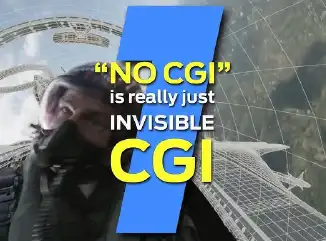
Nowadays the Hollywood catchphrase is ‘no CGI was used for this film’ and with that narrative comes a slew of online filmmaking debates, hurt feelings (rightly so) and VFX influencers sharing thoughtful, detailed and forensic analyses to argue the contrary.
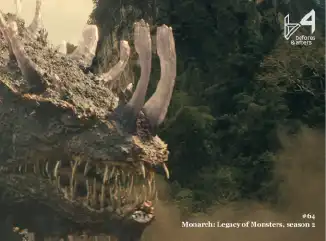
The Movie Rabbit Hole on Youtube, with over one hundred thousand followers has done a phenomenal job with their series “No CGI” Is Just Invisible CGI. VFX veterans such as Hugo’s Desk and the online magazine, Befores and Afters are also breaking down the complex and creative work of thousands of artists in the film industry and covering VFX projects of all scales. After all, 90 percent of feature films utilize visual effects to some degree. So, is it really “no CGI”?
Let’s pretend for a moment that the No CGI narrative is true – what about 3D Animation? Gaming? Virtual Production? VR and AR?
With Campus VFX (formerly Lost Boys) celebrating 20 years of educating award-winning artists, we’ve always known the role that VFX plays and how it has evolved. We recently followed up with some of our alumni to highlight their journeys, and that we featured on Befores and Afters Magazine. Their stories are a testament to how CGI is alive, well, and certainly evolving, and how our school has done the same.
Their wealth of talent has demonstrated that the boundaries of digital effects extend far beyond live-action filmmaking with evolution of industry playing a key role in that success.
Evolving Career Paths of our Alumni
Vania Ruano
She specialized in Compositing while at Campus VFX. Her VFX training took her beyond live action and into Imageworks’ incredible fully animated achievements such as Spider-man: Across the Spider-Verse and KPop Demon Hunters.
Credits: 2026 Oscars -Technical and Scientific Achievement Academy Award for Superdraw, Kismet tools. (L to R - Marc-Andre Davignon, Pav Grochola, Brett St. Clair, Edmond Boulet-Gilly
Edmond Boulet-Gilly
More Inspiring Stories
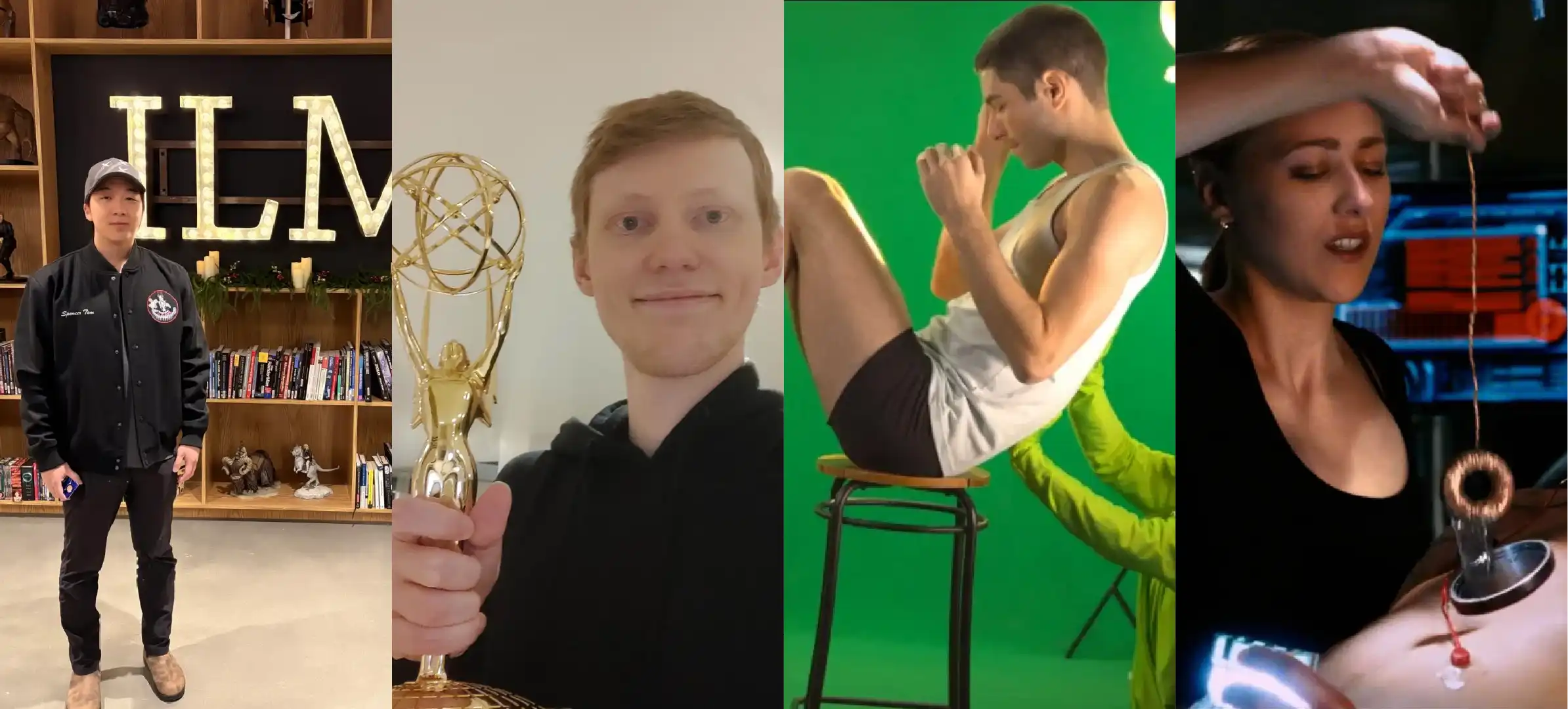
Other notable success stories include Spencer Tom, Martin Brattensborg, Hod Winter and Katrin Frantz, who have used their degrees as a foundation to build their unique paths and careers in an everchanging industry.
What About the Future and Boundaries of AI?
Artificial Intelligence is transforming the relationship between artist and studio. There is so much to consider: Is AI a collaborative tool or a replacement for human creativity? How do ethical and artistic boundaries compare with the industry’s race to complete tasks faster and more efficiently? Veterans in visual effects have competing thoughts, and for the moment, the adoption of new technologies and policies are still evolving; only time will tell.
Alongside these questions, veteran VFX artists, like Freddy Chavez are offering new perspectives on the industry’s evolution.
Campus VFX includes on campus filming for students to have personalized reels. Check out a Behind-The-Scenes of one of our shoots.
"With AI as part of the creative toolkit, I've seen compositors and CG artists thinking more like directors, animators influencing visual development and early client decisions, and artists from completely different backgrounds bringing fresh solutions to the table.
I think the artists who will thrive won't necessarily be the ones with access to the best technology, but the ones who stay curious, take initiative, keep learning new skills, share knowledge and embrace change - those are the artists who will be in the highest demand, because they'll know how to combine creativity with these new tools to solve problems in ways we couldn't before."- Freddy Chavez, VFX Supervisor and Director, Boxel Studios
Evolution means change and change never stands still. Over the past two decades and when Campus VFX began as a school, it has been human creativity, technical innovation, and artistic passion that have all driven the industry forward.
The next 20 years will perhaps be no different. While the tools will continue to transform, the heart of filmmaking will always belong to the artists who use them to tell stories. AI may advance what’s possible, but people will continue to define what matters.
"AI is not here to replace artists. It is another tool in the artist’s toolkit. AI can speed up repetitive tasks, support experimentation and ideation, and give artists more time to focus on creativity and storytelling. Used wisely, the AI tools can supplement decisions that still require an artistic human eye and skillset."
- Brian Connor, Oscar winner and VFX Supervisor for Dune: Part One and Catch-22.
Celebrating 20 years Of Shaping VFX Talent
Campus VFX (formerly Lost Boys Studios) started as an award-winning VFX studio in the 1990s and transitioned into a boutique VFX school in 2006. It became known for its highly focused, hands-on programs in compositing, FX, and lighting, long before these specializations were common in VFX education.
Aligning careers with precision and purpose – Campus VFX knows every student by name and has earned a reputation for accelerating careers as Canada’s school of VFX.
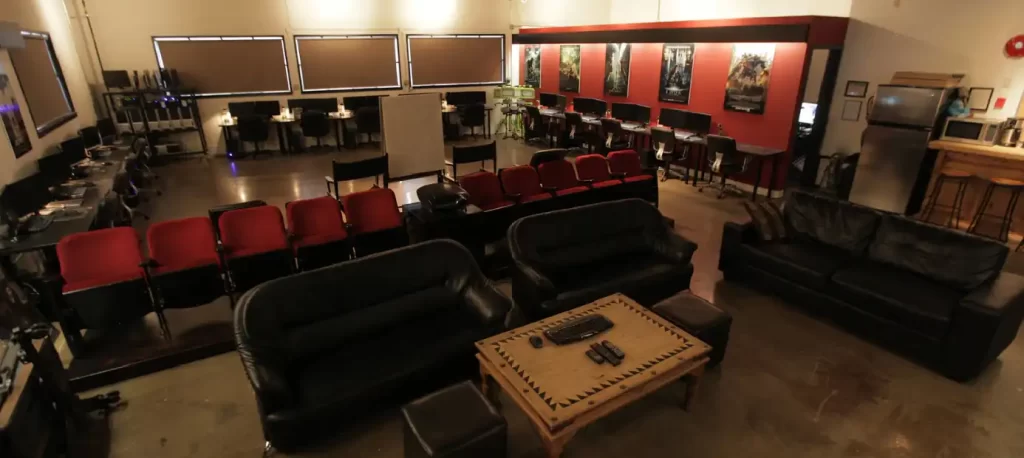
Campus VFX studio layout, 2012 (then Lost Boys School of VFX)
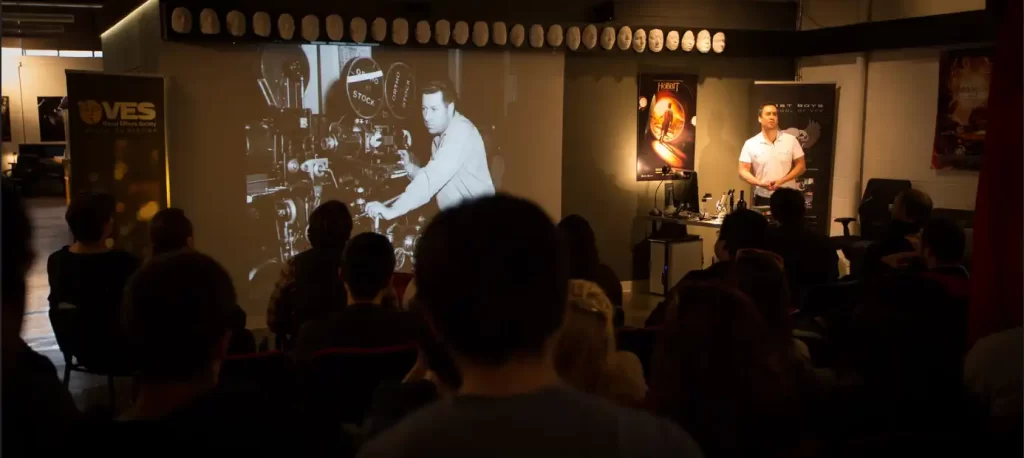
Brian Connor’s Artist Spotlight presentation at Campus VFX’s previous location in 2013.
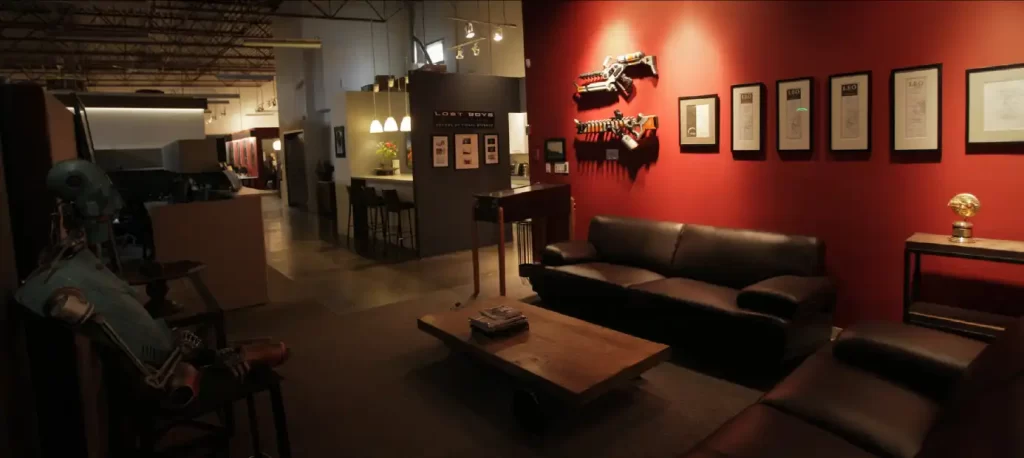
Campus VFX studio layout, 2012 (then Lost Boys School of VFX)
We now have online certificates and diplomas offered worldwide, as well as physical instruction at our Vancouver, Canada location.
The next intake for both certificate and diploma programs is September 2026 and enrolment is now open.
STAY IN THE KNOW
Recent Posts
VFX Is not going Away, its Evolving.
Artificial Intelligence is transforming the relationship between artist and studio....
Read MoreIntroducing 6-Month Certificate Programs – Now Open for Registration
Campus VFX has expanded its programs. We now offer 6-month...
Read MoreSpecialized VFX Training in Canada Goes Global
Canada’s School of VFX is delivering its studio-style quality training...
Read More